What is a Break-Even Point?
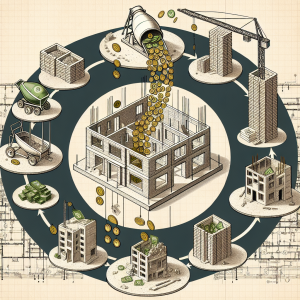
The break-even point is the financial turning point where your income exactly matches your expenses. No profit, no loss. It’s the minimum performance your business must achieve to survive.
Formula: Total Revenue = Total Costs
Why Knowing Your Break-Even Point is Crucial
Without understanding your break-even point, you’re essentially operating blind. Here’s why it matters:
- Set Realistic Goals: Know exactly how much work you need to secure each month.
- Make Smarter Pricing Decisions: Ensure your rates are sustainable and profitable.
- Manage Financial Risk: Predict and weather slow months or unexpected downturns.
- Justify Investments: Understand when and how you can afford to grow.
- Increase Business Confidence: Being financially literate strengthens decision-making.
How to Calculate Your Break-Even Point
Calculating your break-even point is straightforward with the right figures:
Break-Even Formula
Break-Even Point (Units) = Fixed Costs ÷ (Selling Price per Unit – Variable Cost per Unit)
Example
- Fixed Costs: £5,000/month
- Variable Costs: £50/job
- Selling Price per Job: £150
Break-Even Point: £5,000 ÷ (£150 – £50) = 50 jobs per month
Fixed vs Variable Costs Explained
Fixed Costs
Fixed costs remain constant regardless of your output. Examples:
- Rent or mortgage payments
- Salaries for permanent staff
- Business insurance premiums
- Utilities (Internet, phone)
Variable Costs
Variable costs fluctuate depending on the number of jobs or sales you complete:
- Raw materials
- Subcontractor wages
- Fuel and travel expenses
- Shipping and delivery charges
How to Lower Your Break-Even Point
Reducing your break-even point increases your flexibility and profit margins. Strategies include:
- Cut Fixed Costs: Downsize your premises or negotiate lower rent.
- Lower Variable Costs: Bulk buy materials or optimise workflows.
- Increase Your Selling Price: Small price hikes (without losing customers) can have a major effect.
- Offer High-Margin Services: Focus on services or projects with better profitability.
Beyond the Break-Even: Planning for Profit
Reaching break-even is just the start. To thrive, you should:
- Track Margins: Regularly monitor job profitability.
- Expand Offerings: Introduce premium services or packages.
- Improve Marketing: Drive better quality leads and consistent work flow.
- Forecast Cash Flow: Proactively plan for slower seasons or unexpected expenses.
Frequently Asked Questions
What is a break-even analysis?
It’s a financial calculation that identifies the point where total revenue equals total costs, helping you plan pricing, sales targets, and investments.
How often should I update my break-even analysis?
At least quarterly or after any major change in costs, pricing, or business conditions.
Can I calculate break-even for each service?
Yes. If you offer multiple services, calculating break-even for each one helps identify which are most profitable.
Is a break-even point static?
No. Costs, pricing, and market demand change over time—so your break-even point should be regularly reassessed.
Does reaching break-even guarantee cash flow?
No. Break-even ensures no loss but doesn’t guarantee positive cash flow. Cash flow management is equally critical.
What tools can I use to calculate break-even?
Use spreadsheets, accounting software like Xero, or online calculators tailored for small businesses.
What’s the margin of safety?
The difference between your actual sales and your break-even sales. A bigger margin means a safer, more profitable business.
Can breakeven analysis help with investment decisions?
Absolutely. It helps you plan when you can afford growth investments like hiring staff or buying new equipment.
Local preview · no sending
Local preview. Use synthetic details only. Sending and file selection are disabled. The sample preview uses separate fixed details. Your entries stay in this browser.
Sample enquiry preview ready. Nothing will be sent.