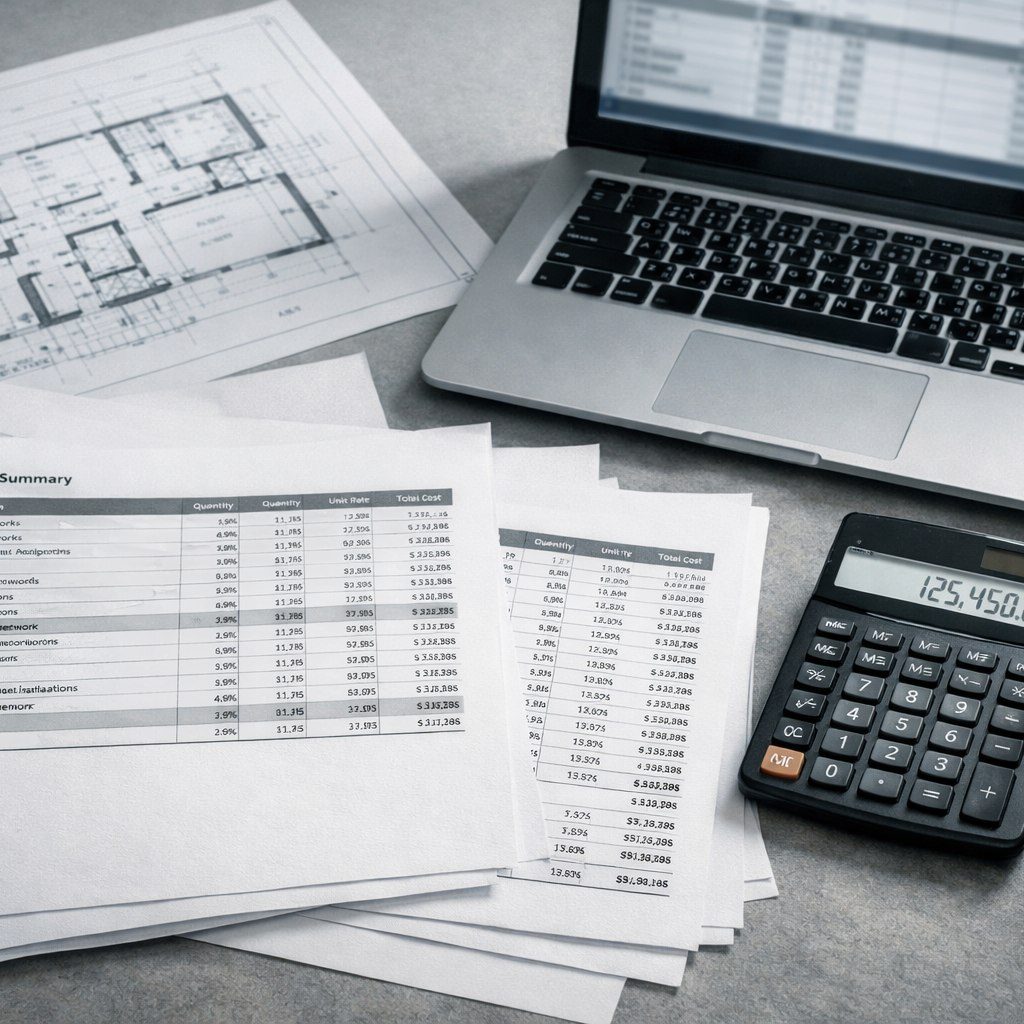
Life Cycle Costing (LCC), also known as whole-life costing, is a technique for assessing the total cost of an asset over its entire life, including acquisition, operation, maintenance, and disposal costs. It enables informed decisions about building design and component selection.
Components of Life Cycle Cost
A comprehensive LCC analysis includes:
- Capital costs – Initial construction and fit-out
- Operating costs – Energy, water, cleaning, security
- Maintenance costs – Planned and reactive maintenance
- Replacement costs – Periodic component replacement
- End-of-life costs – Demolition, disposal, residual value
NRM 3
NRM 3 provides the RICS standard for order of cost estimating and cost planning for building maintenance works, supporting life cycle cost analysis.
Net Present Value
Future costs are discounted to present-day values using a discount rate, allowing comparison of options with different cash flow profiles. This produces a Net Present Value (NPV) for comparison.
Benefits of LCC
- Supports value engineering decisions
- Demonstrates long-term value of sustainable options
- Informs sustainability assessments
- Helps secure client investment approval
Related Terms
See also: Value Engineering, Sustainability in Construction, NRM