
Author name: James Hill

James Hill is a quantity surveyor and director of Cost Estimator Ltd. He writes Cost Estimator guidance for homeowners, builders, developers and architects who need clearer construction pricing before money is committed. His articles focus on practical estimating issues: drawings, scope gaps, quantities, labour and material allowances, preliminaries, exclusions, tender pricing, quote comparison and cost drift. You can also find and connect with James Hill on LinkedIn.

online estimators

Estimators Online UK | Construction Estimating Service

Estimators online for UK building projects let you send drawings, specifications or scope notes and get a professional construction estimate without waiting for an in-person visit. If you are comparing online estimators, the useful test is not just speed: it is whether the estimate gives you measured quantities, assumptions, exclusions and a clear basis for […]

Estimators Online UK | Construction Estimating Service Read More »

estimating building costs

From Blueprints to Budgets: How to Estimate Building Costs

To estimate building costs correctly, fix scope from drawings, choose the right method for your RIBA stage (order-of-cost, elemental, unit-rate or analytical), measure to RICS NRM, benchmark, then add prelims, overhead and profit, risk, fees and inflation with all assumptions stated. This is an educational guide for small builders and trades on how to estimate

From Blueprints to Budgets: How to Estimate Building Costs Read More »

Tender vs Bid in Construction: Key Differences

A tender is the formal process and documentation requesting prices and method statements, while a bid is your priced offer submitted in response to that tender. In UK construction, clients issue a tender (RFP/ITT) and contractors submit a bid that is evaluated on price and quality. Typical SME bid-preparation costs run £500 to £4,000 per

Tender vs Bid in Construction: Key Differences Read More »

Types of Capital for Construction Businesses

In October 2025, the most effective types of capital for construction businesses are a mix of revolving working capital (overdrafts, invoice finance), asset-backed facilities (hire purchase/lease), and short term trade credit augmented by the British Business Bank’s Growth Guarantee Scheme—chosen by tolerance for personal guarantees, speed, and true all-in cost. Expect typical pricing ranges of

Types of Capital for Construction Businesses Read More »

Top 10 Tips for Precise Construction Measurements

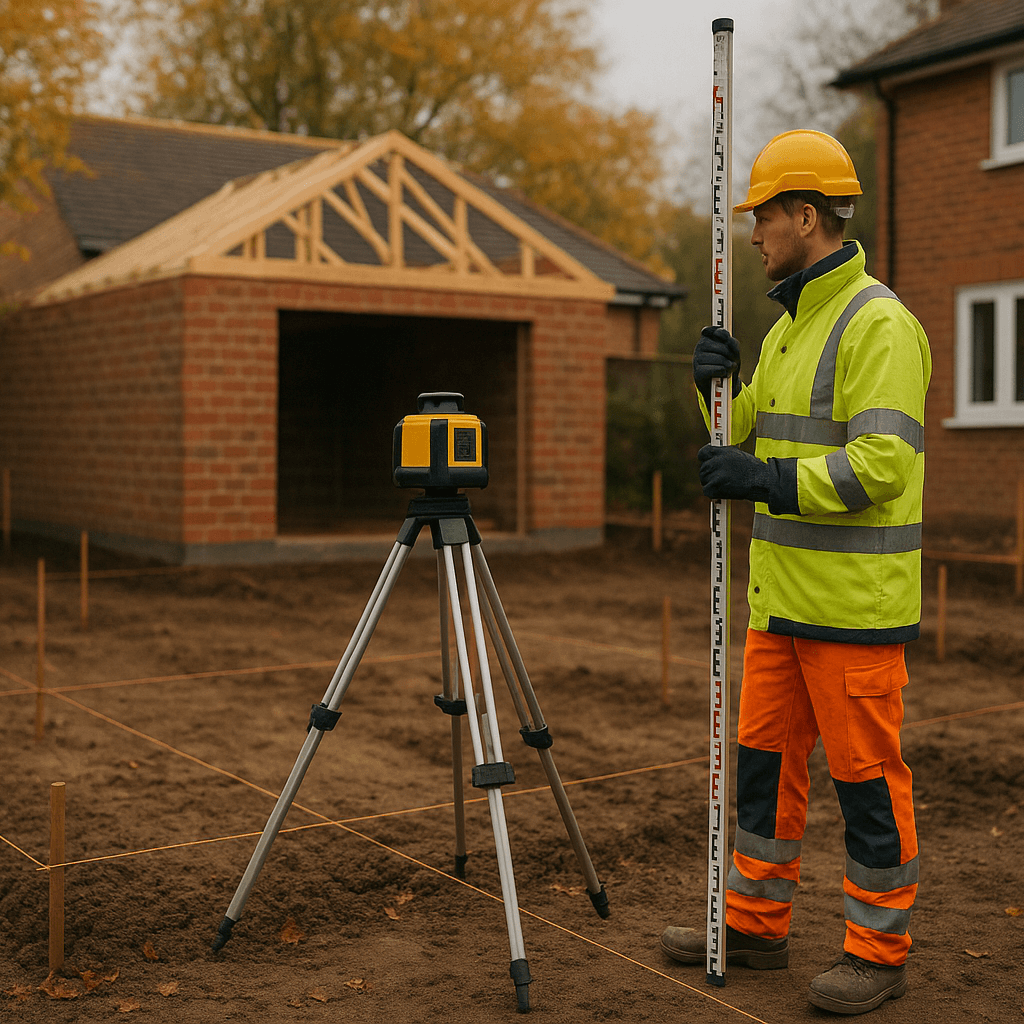
In Q4 2025, the fastest way to achieve precise construction measurements is to control datums, use the right instrument for the tolerance, verify daily (two-tape/backsight checks), and document methods so results are repeatable and auditable. For a small site or domestic project, budget £120–£450 inc VAT for measurement gear and checks (calibrated tape, laser distance

Top 10 Tips for Precise Construction Measurements Read More »

📣 Need an Estimate Fast? Get Yours in 24 Hours!

X

Get Your Free
Cash Flow Forecasting Template

Your template will be emailed to you